To adapt to the increasing proportion of new energy power generation and the trend of normalized demand response on the user side, Tencent, in collaboration with Intel and China Telecom, has conducted a preliminary feasibility study on demand response through the synergy of data center computing power and electricity.
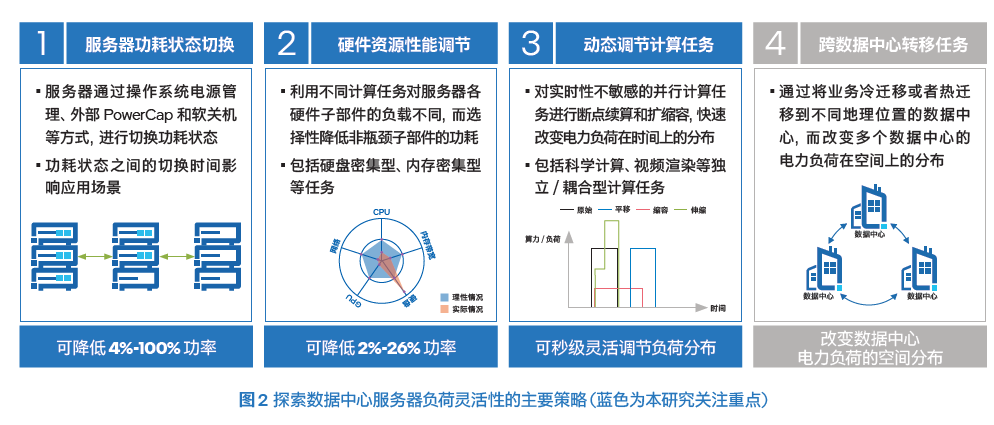
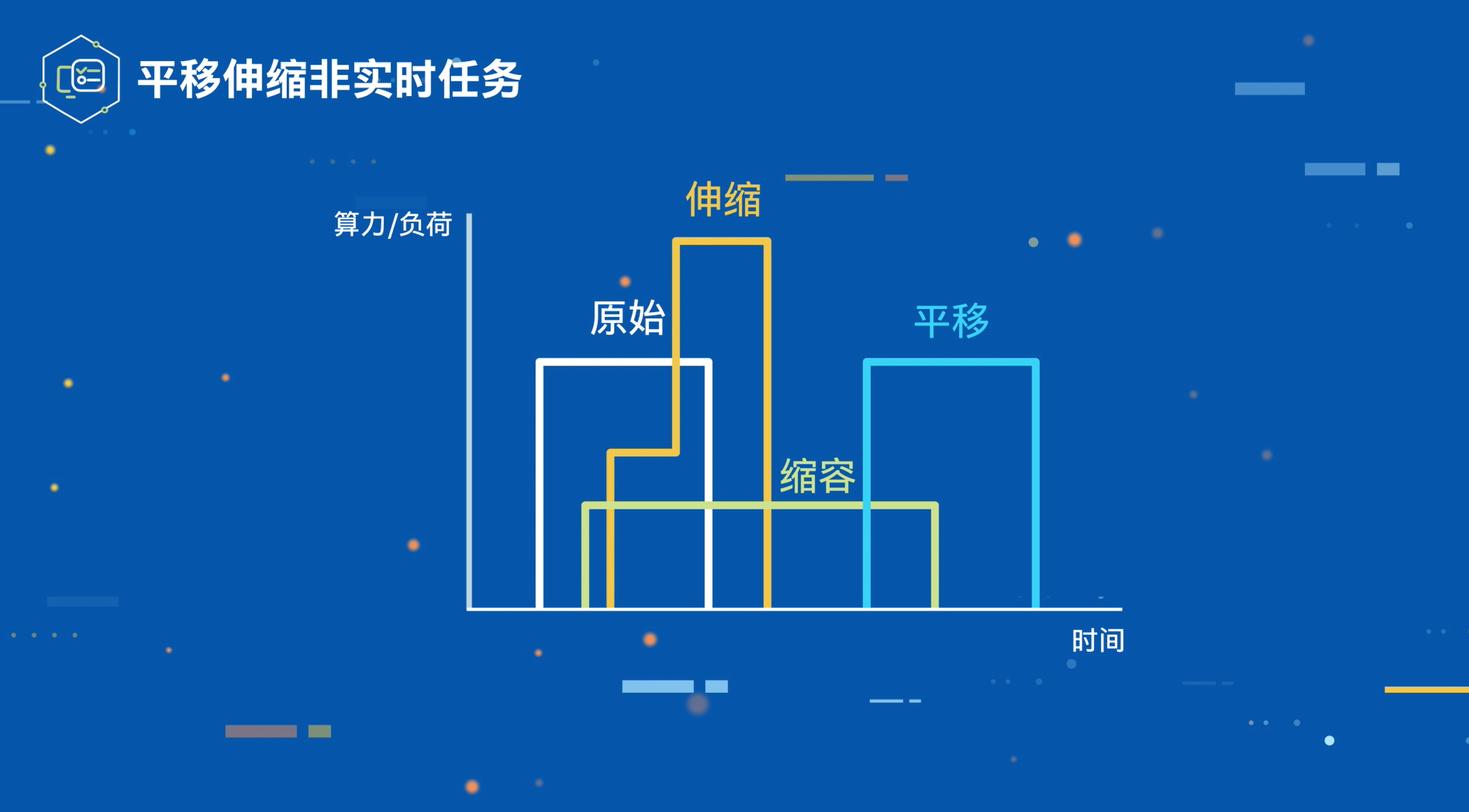
This research proposes using the computing power-electricity characteristics of computational tasks on servers to reduce real-time redundancy of power components and adjust the parallel scale and time distribution of business loads without affecting business operations. The study has actually tested various strategies for providing flexibility in power coordination among business, computing power, and electricity. When different IT task types are run on server clusters, by switching the power consumption state of idle servers, utilizing the uneven resource consumption of server sub-components, and shifting or scaling tasks that are not sensitive to real-time performance, the load size and time distribution can be changed, achieving the goals of energy conservation, reducing consumption, and balancing grid load. These strategies can be applied to data centers, server rooms, clusters, and servers of various sizes and forms. This research shows that all three strategies can achieve rapid control of server power at seconds per instruction from the (grid) commands, providing a feasible basis for data centers to participate in minute and second-level response on the demand side or in the market for power auxiliary services, demonstrating the great potential and broad application prospects of flexible power response in data centers.
In the next stage, we will implement the validated methods from the research on actual data center users. Currently, we are recruiting data center users willing to participate in the pilot. Engineers from the joint team of Tencent and Intel will work with the selected pilot users to analyze and develop power flexibility based on the actual type of computing tasks of the users.