On September 22, 2020, Chinese President Xi Jinping delivered an important speech at the general debate of the 75th United Nations General Assembly. President Xi stated that China would increase its nationally determined contributions and adopt more stringent policies and measures to peak carbon dioxide emissions by 2030 and strive to achieve carbon neutrality by 2060. On November 22 of the same year, during a side event themed “Protecting the Earth” at the G20 Leaders’ Riyadh Summit, President Xi put forward three proposals: first, to intensify efforts on climate change; second, to advance the transition to clean energy; and third, to build ecosystems that respect nature.
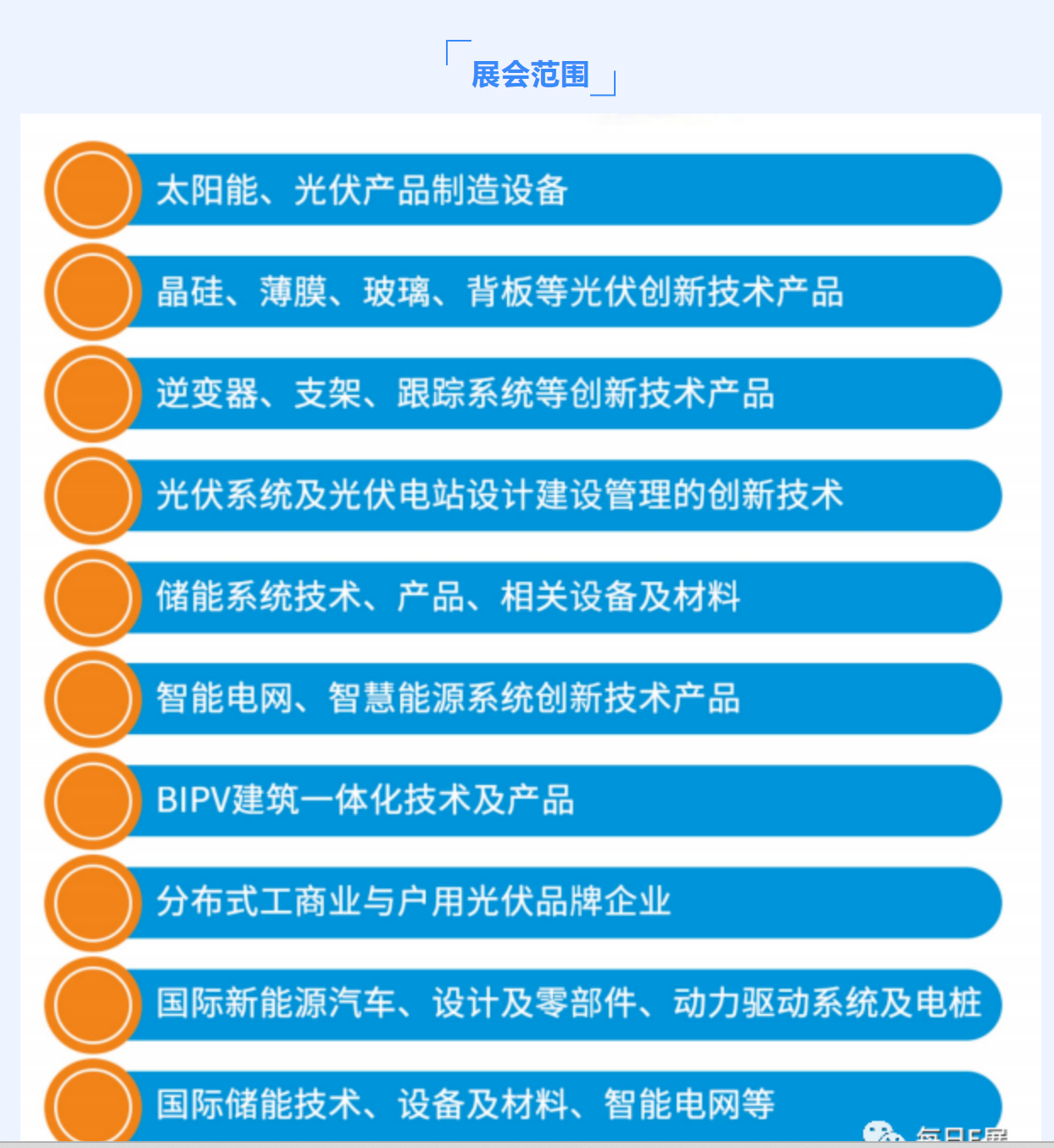
For China’s new energy industry, this represents a historic moment. The goal of carbon neutrality will accelerate the country’s energy transition significantly. Over the 14th Five-Year Plan period and beyond, the growth rate of new energy sources is expected to far exceed previous levels. Photovoltaics are one of the key drivers in China’s new energy sector. By the end of 2019, the cumulative installed capacity of photovoltaic power generation nationwide had reached 204.3 GW, ranking first in the world for five consecutive years. Meanwhile, the development model of photovoltaics is also undergoing notable changes, with integration with other industries being one of the main trends—such as the integration of wind, solar, storage, and hydrogen, as well as solar, storage, and charging systems. However, the development of the photovoltaics industry still faces numerous challenges. Land issues are becoming an increasingly serious constraint, so more efforts are needed to improve land utilization efficiency. Innovations such as larger panel sizes, tracking systems, and dual-sided panel designs, along with approaches like hydro-solar complementarity and photovoltaics combined with agriculture, are all important areas for advancement.
On the other hand, the rapid growth of green buildings represents an important strategic shift aligned with the global trend toward changing economic growth patterns. It fits well with three major national strategies: energy conservation and emission reduction, industrial development, and new urbanization. As a key direction in the advancement of green buildings, BIPV successfully integrates “photovoltaics + green buildings,” perfectly matching the global trend in green building development.