Forum Background
Advanced battery technology is a crucial tool for humanity to address global climate change and energy crises. In particular, the rapid growth of the electric vehicle industry and large-scale energy storage in recent years has created a huge market for lithium battery technology. However, this rapid development also brings many challenges. Lithium batteries may fail at certain rates during use or storage, including capacity degradation, short cycle life, increased internal resistance, abnormal voltage, lithium plating, gas generation, leakage, short circuits, deformation, and thermal runaway. These issues significantly reduce the performance, consistency, reliability, and safety of lithium batteries. Accurately diagnosing batteries and understanding their failure mechanisms are essential tasks in the development of lithium and sodium-ion batteries, playing a vital role in improving battery performance, driving technological progress, and preventing failures.
At present, enterprises and research institutions with strong R&D capabilities have established teams for failure analysis, but these efforts still fall far short of meeting the demands of technological advancement. High-level failure analysis relies on advanced testing techniques as well as a deep, thorough, systematic, and accurate understanding of batteries and related materials.
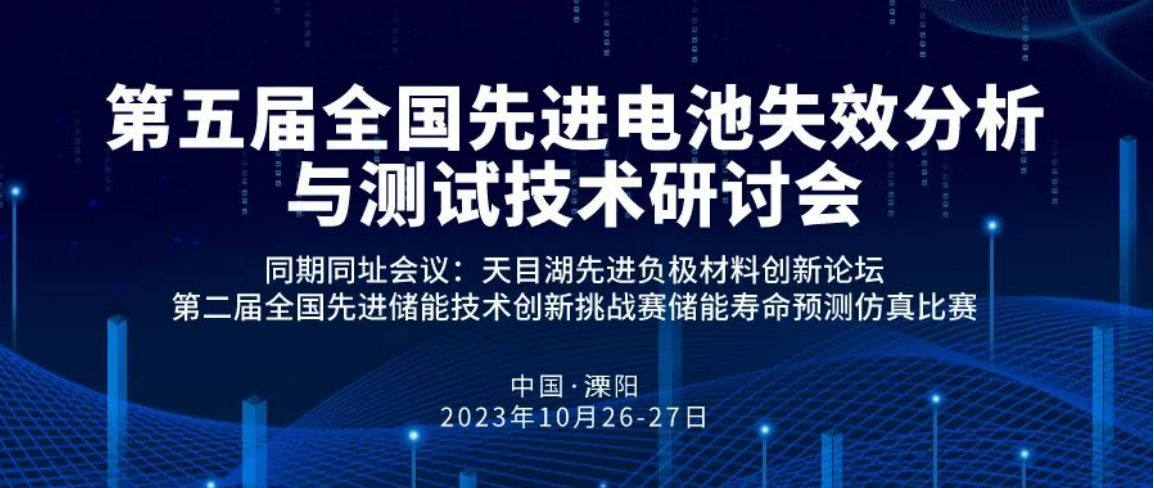
To further advance the development of battery failure analysis and testing technologies in China, meet the needs of research institutions and enterprises, and keep abreast of recent progress in these fields, the “5th National Symposium on Advanced Battery Failure Analysis and Testing Technologies” will be held from October 26 to 27, 2023, in Liyang City, Jiangsu Province. This symposium will bring together top experts from home and abroad, third-party testing agencies, and specialists in related instrumentation technologies. Discussions will focus on battery composition analysis techniques, structural morphology analysis, next-generation imaging technologies, surface and interface analysis methods, thermal performance analysis, gas analysis techniques, safety failure analysis, numerical simulation methods, synchrotron radiation and spallation neutron source technologies, as well as intelligent sensing technologies, all aimed at promoting the advancement of such technologies in China.
Forum Date
October 26–27, 2023 (Thursday–Friday)
Forum Location
Hyatt Regency Tianmu Lake, Liyang, Jiangsu
Organizing Bodies
Guiding Organization
Industrial Development Promotion Center of the Ministry of Industry and Information Technology
Liyang Municipal People’s Government
Yangtze River Delta Physics Research Center
Sponsoring Organization Tianmu Lake Advanced Energy Storage Technology Research Institute
Jiangsu Liyang High-Tech Industrial Development Zone Management Committee
Organizing Unit
Liyang Deep Water Technology Consulting Co., Ltd.
Sponsoring Units
China Automotive Technology and Research Center
Journal of Energy Storage Science and Technology
Unit Support
Shanghai Oubo Tong Instrument Co., Ltd.
Shanghai Micro-Nano International Trade Co., Ltd.
Microna (Shanghai) Industrial Intelligence Technology Co., Ltd.
Beijing Huanyu Ruihui Science & Trade Co., Ltd.
Shenzhen Xinwell Electronics Co., Ltd.
Metan Energy Technology (Xiamen) Co., Ltd.
Tianjin Sanying Precision Instruments Co., Ltd.
Sichuan Saike Testing Technology Co., Ltd.
Shanghai Jinyu Scientific Instruments Co., Ltd.
Chuanyuan Technology (Suzhou) Co., Ltd.
Goode Intech (Beijing) Technology Co., Ltd.
Jiangsu Daojin Intelligent Manufacturing Technology Co., Ltd.
plus 20 supporting organizations
The number of supporting organizations is continuously increasing
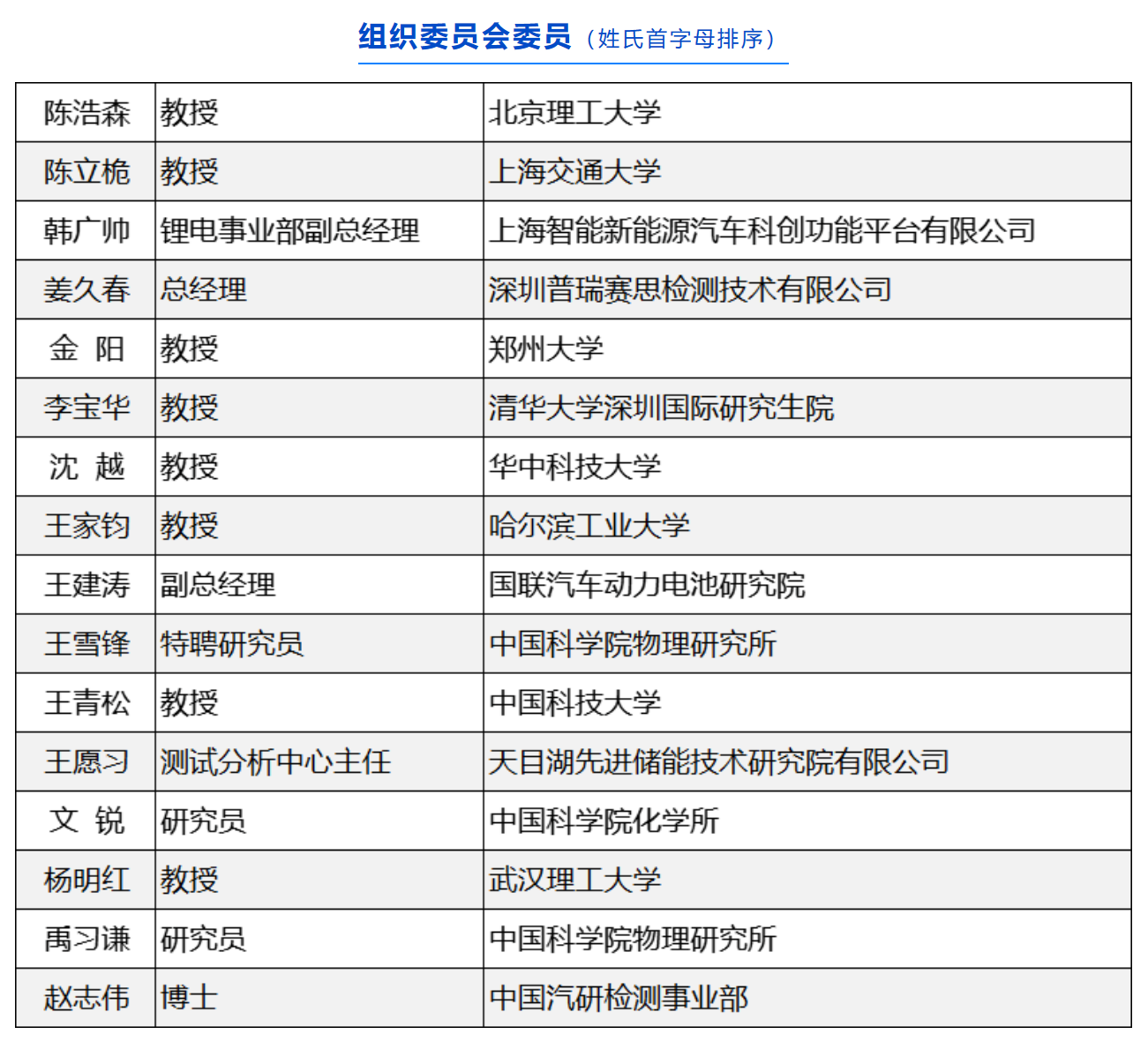
Guest speakers for the report
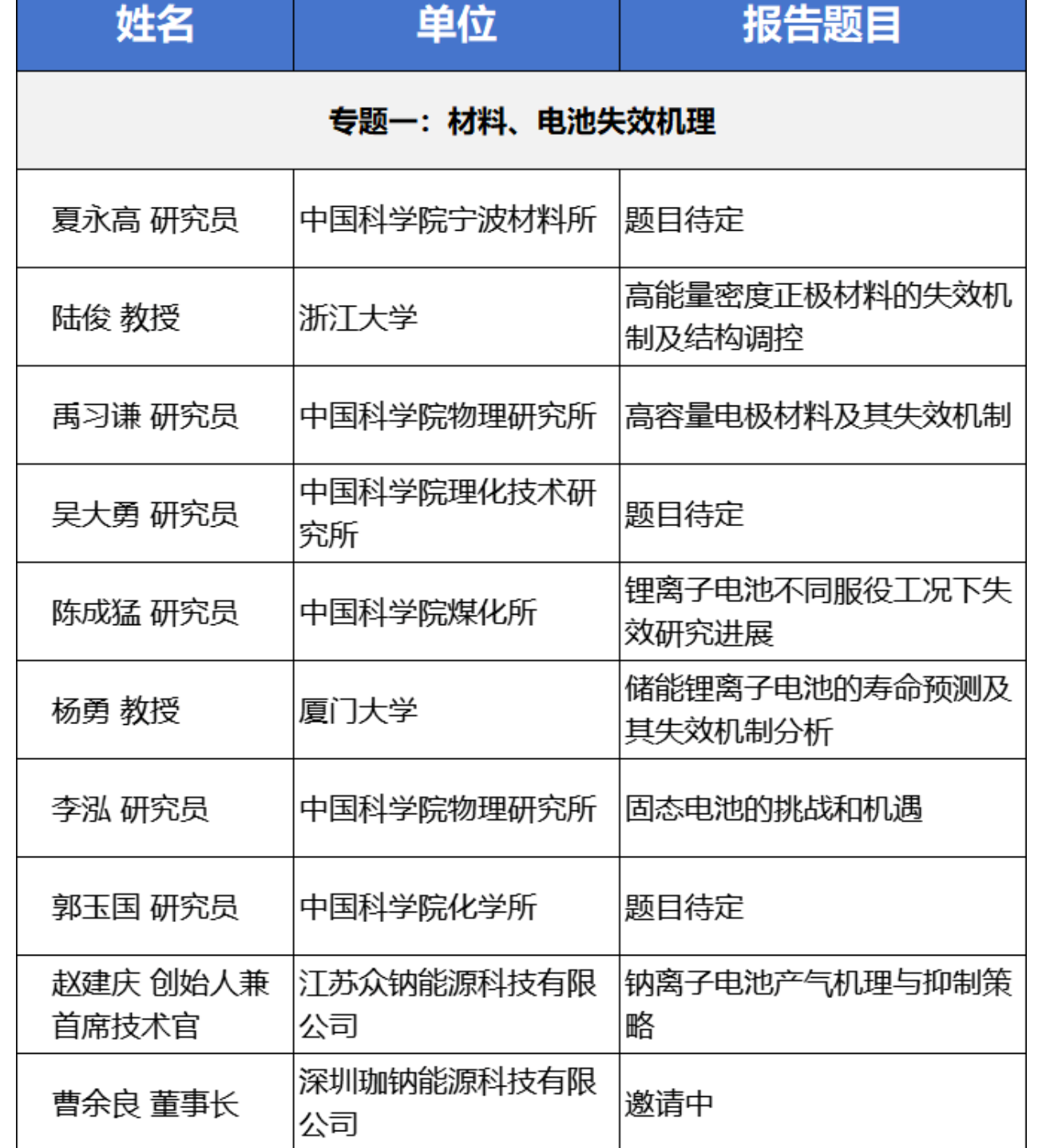
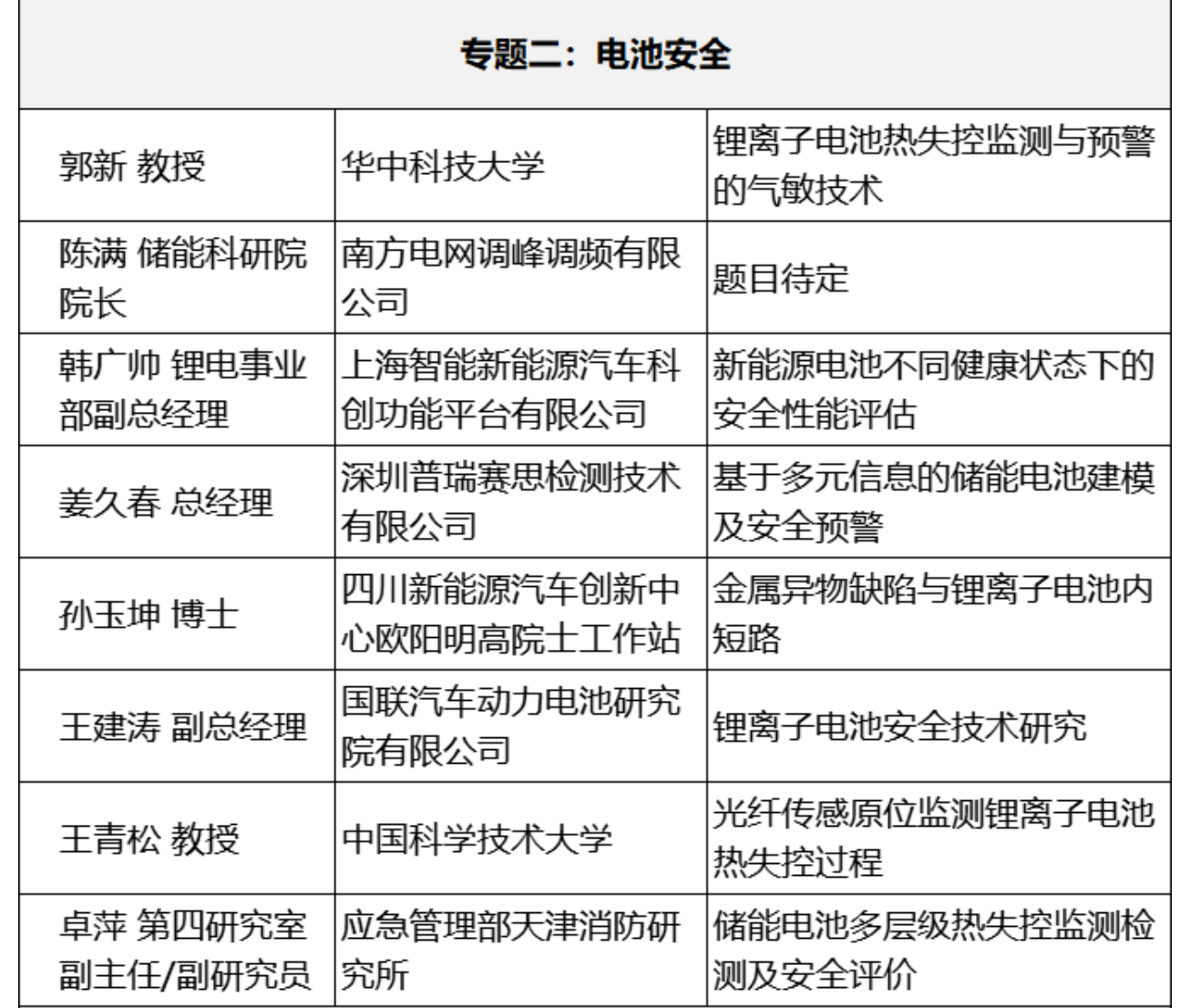
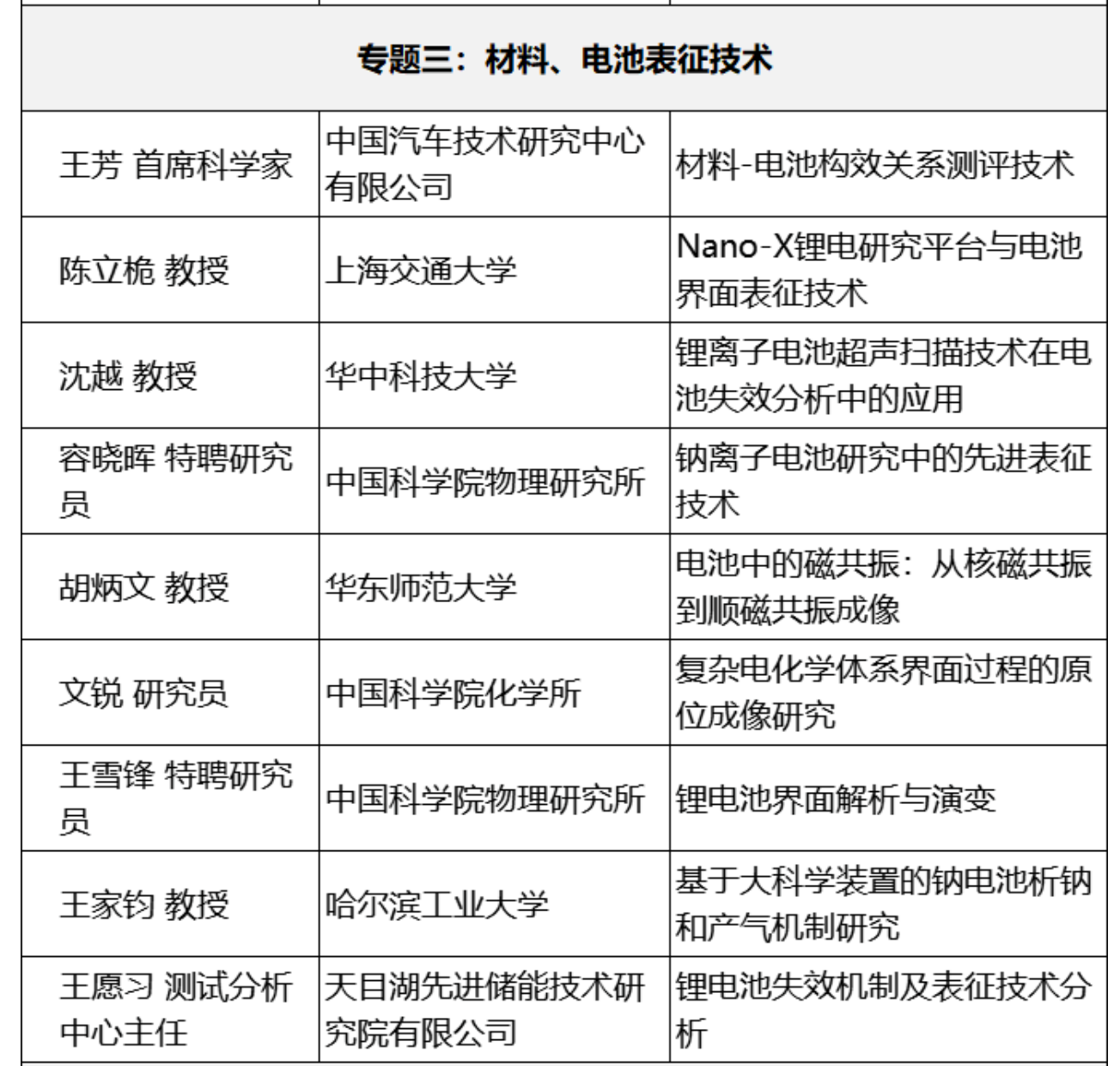
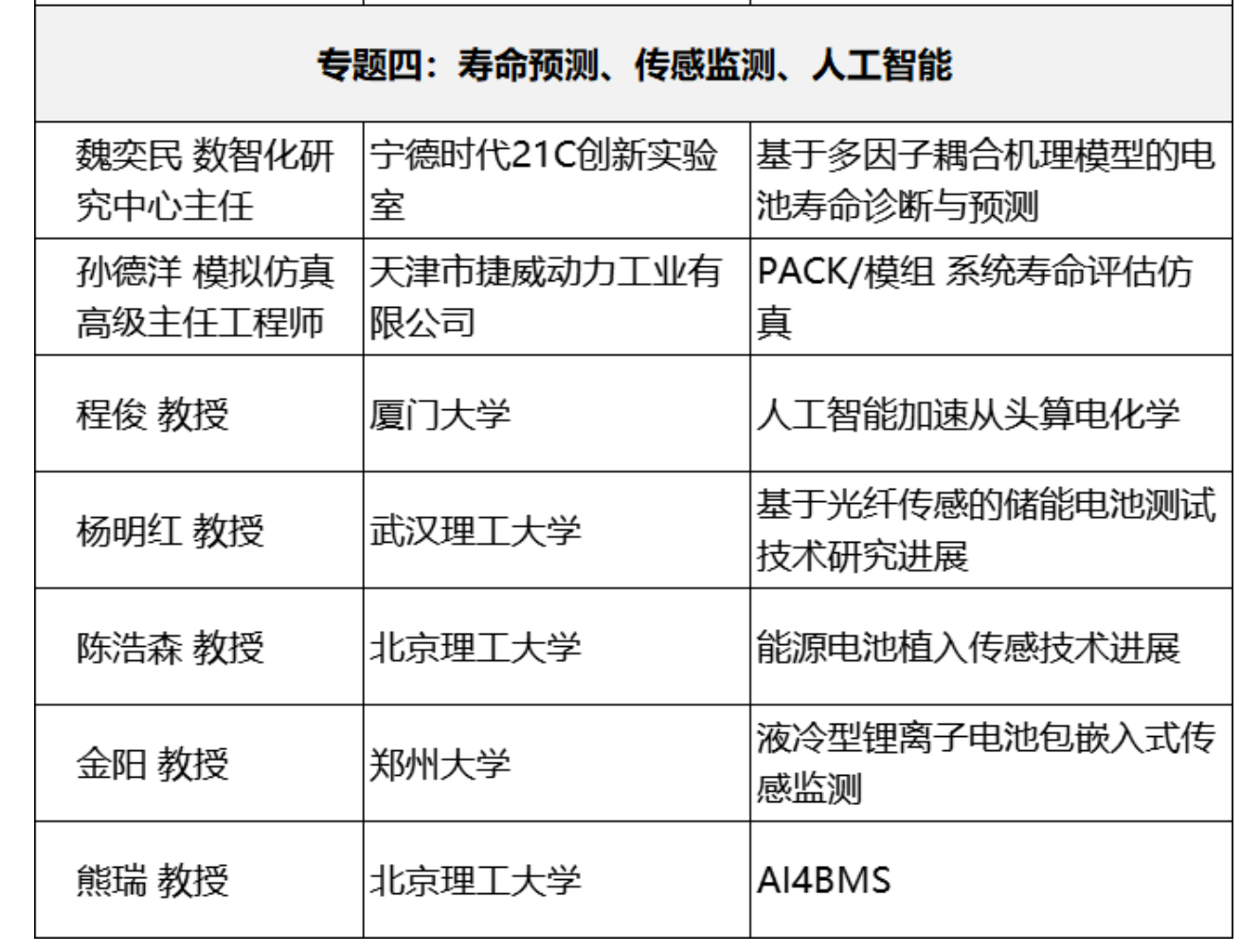
#Conference topics
##Topic 1: “Standards first” – Strengthening standards for advanced battery failure analysis and testing
Clarify the current status and trends of testing, inspection, and failure analysis technologies for battery materials and cells
Understand advanced standards and specifications for battery testing and failure analysis
Promote a standardized inspection system for both research and production processes
Topic 2: “From surface to core” – gaining in-depth understanding of failure mechanisms
Develop combined analysis methods using non-destructive and destructive testing
Study multi-scale mechanisms of failure related to the electrochemical properties and safety of battery materials and cells
Developing implanted and external sensors to aid in understanding battery failure mechanisms
Topic 3: “Equipping oneself with the right tools” – Developing new methods for battery analysis
Advancing high-precision materials and offline detection technologies for battery cells
Developing online high-speed detection and monitoring technologies for materials and battery cells
Creating advanced analytical testing methods based on large-scale scientific facilities
Topic 4: “Viewing the big picture” – Understanding batteries across multiple dimensions throughout their lifecycle
Predicting the lifespan and failure of battery systems
Developing multi-level thermal runaway control methods for batteries
Understanding the mechanisms behind battery failures and accidents
Topic 5: “Preparing in advance” – Next-generation battery testing and failure analysis
Studying the failure mechanisms of hybrid solid-liquid electrolyte batteries
Studying the failure mechanisms of all-solid-state batteries
Study the failure mechanisms of sodium-ion batteries
Topic 6: “Digital Future” – Applications of artificial intelligence in battery analysis
Develop numerical simulation methods for testing and failure analysis processes
Develop artificial intelligence methods for data processing and database construction
Establish digital laboratories for testing and failure analysis