All new energy-related companies:
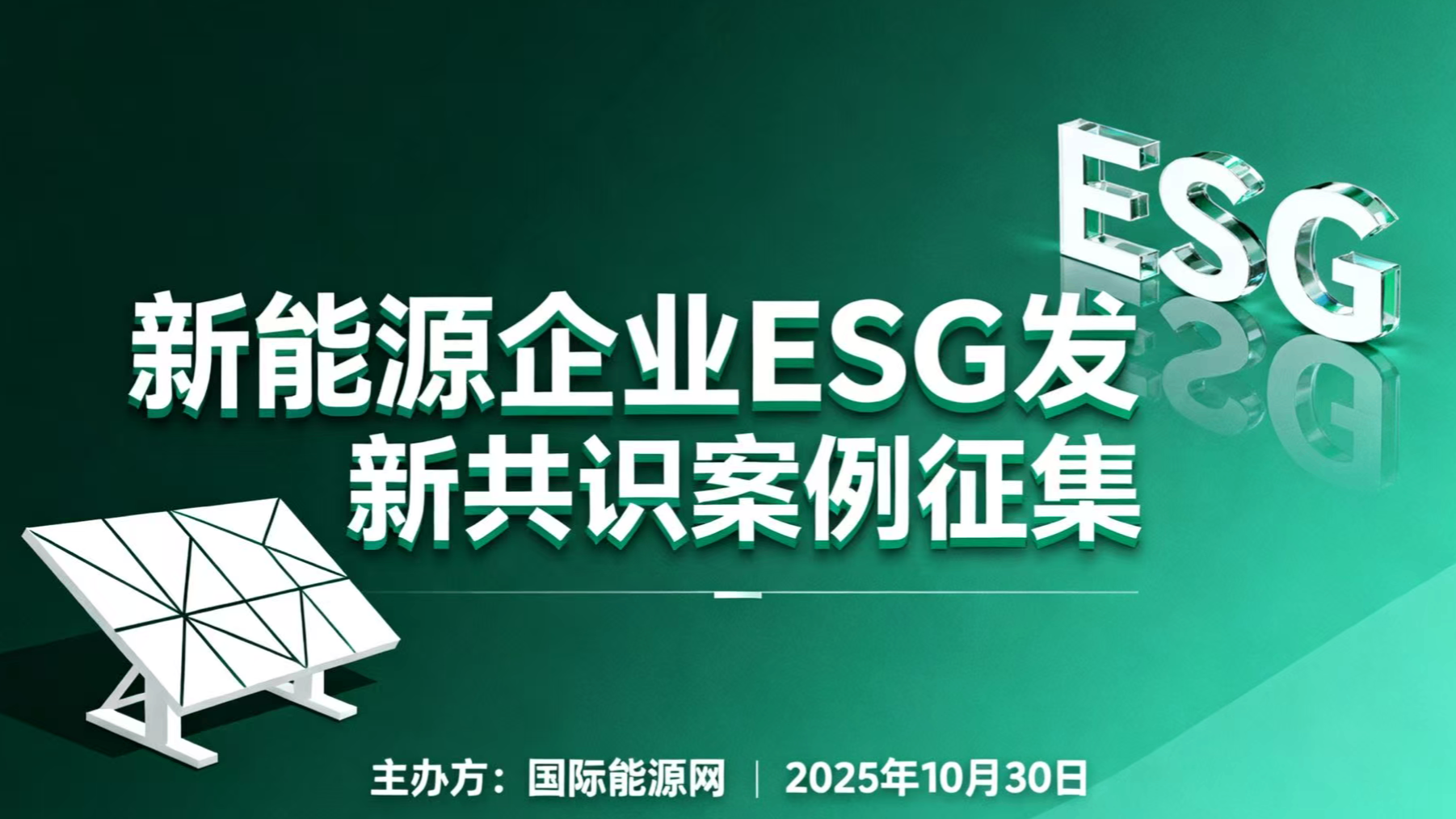
Guided by global energy transformation and "double carbon" goals, ESG (Environmental, Social, Governance) has become the core yardstick for measuring enterprises 'sustainable development capabilities around the world. It is also the key to achieving high-quality transformation and building core competitiveness in the new energy industry. path. In order to fully explore and systematically sort out the innovative achievements and benchmarking experience of the new energy industry in ESG practice, comprehensively demonstrate the positive actions of new energy companies in green development, social responsibility fulfillment and governance capabilities improvement, and provide reference and promotion for the entire industry. With a practical paradigm, Guoneng plans to take the lead in compiling the report "2025 Guoneng Network·New Energy Enterprises New Consensus on ESG Development"(hereinafter referred to as the "Report "), we are now publicly soliciting reports from the entire industry to participate in the report and typical ESG practice cases. 1. Collection objects
Enterprises related to the entire new energy industry chain, including but not limited to photovoltaic, wind power, energy storage, hydrogen energy, charging and replacing, biomass energy and other equipment manufacturers, equipment manufacturing, technology research and development, power station investment, operation and maintenance, comprehensive utilization and related supporting enterprises, etc. 2. Scope of core topics and materials
This collection focuses on the core topics of the four dimensions of ESG. Enterprises can submit relevant materials in a targeted manner based on their own business characteristics and practical priorities, as follows:
- Environment (E) Dimension
- Green production and operation: efficient utilization of energy resources (such as energy-saving transformation, water resource recycling, etc.), pollutant emission reduction (exhaust gas, wastewater, solid waste treatment and emission data), research and development, application and effectiveness of cleaner production technologies, etc.;
- Low-carbon transformation practice: carbon emission management system construction, carbon footprint accounting and disclosure, low-carbon technology research and development and application (such as green electricity substitution, carbon capture and utilization, etc.), carbon neutrality path planning and phased results;
- Ecological and environmental protection: Ecological restoration measures, biodiversity protection practices, environmental compliance management and environmental risk prevention and control mechanisms during project development. (2) Social (S) dimension
- Protection of employee rights and interests: labor contract specifications, salary and welfare systems, occupational health and safety management, employee training and career development, diversified and inclusive workplace construction, etc.;
- Supply chain responsibilities: establishment of supply chain ESG management system, empowerment of upstream and downstream enterprises in ESG capabilities (such as technical support, standard sharing, etc.), supply chain sustainability risk management and control cases;
- Community and public welfare: Harmonious symbiosis practices between the enterprise and the community where the project is located (such as employment-driven, infrastructure co-construction, etc.), public welfare and charitable investment (such as education support, rural revitalization, emergency disaster relief, etc.), and social responsibility communication and feedback mechanisms. (3) Governance (G) Dimension
- Corporate governance structure: equity structure and checks and balances mechanism, diversification and professional construction of the board of directors, effectiveness of independent directors in performing their duties, and supervisory role of the board of supervisors;
- ESG governance system: integration of ESG strategy and company development strategy, establishment and operation of ESG committee, construction of ESG management system and process, ESG performance assessment and incentive mechanism;
- Information disclosure and transparency: preparation and release of ESG reports, disclosure of ESG key performance indicators (KPIs) data, stakeholder communication mechanism, anti-corruption and anti-commercial bribery systems and implementation. (4) Dimension of enterprise economic development (E) Including the company's economic performance, procurement practices, market position and influence, innovation and R & D investment, etc. In addition to the above core topics, companies 'breakthrough innovation practices in the ESG field, cross-border integration cases (such as the combination of ESG and digital transformation), solutions to common problems in the industry, and major honors (such as ESG-related certifications and awards), etc. Special materials are also within the scope of collection.
3. Material requirements
-
Authenticity and accuracy: The submitted materials must be based on the actual practice of the enterprise. The data and cases should be true and traceable. If third-party certification, auditing or public disclosure information are involved, relevant supporting materials can be attached;
-
Professional and in-depth: Materials must closely follow the core topics of ESG, highlight practical logic, implementation path and core effectiveness, and can be explained in combination with specific data and cases to avoid generalities;
-
Innovation and representativeness: Priority should be given to collecting practical experience that is innovative and replicable in the industry, which can provide reference for enterprises in the same industry;
-
Complete case: Clearly explain the case background, implementation process, core measures and experience summary, etc., and provide supporting materials such as company style photos, LOGO, company's Chinese full name and abbreviation.
-
Time-sensitive: The case implementation cycle needs to be within nearly 2 years (from January 2024 to present), and it is still advancing or has achieved stable results.
-
Format specification: Materials can be in the form of text reports, PPT, etc. It is recommended that the written materials be in Word format, and the company name, contact person and contact information must be indicated.
4. Submission method and deadline
-
Material submission: Please package and compress relevant materials, and send them to the designated email address with the subject of "Company Name + ESG Materials Collection"
-
Deadline: October 30, 2025, overdue materials will not be included in the compilation scope of this report.
-
Use and Rights of Materials
-
The selected materials will serve as the core content source of the "2025 National Energy Network·New Consensus on ESG Development of New Energy Enterprises" report, and some excellent cases will be interpreted and displayed;
-
The company submitting the materials will be listed as a participating unit in the report, and the company name will be marked in the report;
-
Companies with excellent practical cases will have the opportunity to be invited to participate in report conferences, ESG industry seminars and other activities to have in-depth exchanges with industry experts and peers;
-
Guoneng.com will strictly keep the commercially sensitive information submitted by enterprises confidential and will not disclose it to third parties without the written consent of the enterprise.